Unicode Emojis & Game IP: Your Guide to Commercial Use
In the vibrant, ever-evolving world of game development, creators are constantly seeking innovative ways to engage players. From immersive narratives to compelling mechanics, every element contributes to a game's success. But as developers push boundaries, they frequently encounter a critical, often complex, aspect of the industry: intellectual property in game design. Understanding IP is not just a legal formality; it's a strategic necessity that can determine a game's future.
One common question that arises in this digital landscape, especially with the prevalence of visual communication, is about the commercial use of emojis. Can those ubiquitous smiley faces, hearts, and thumbs-up symbols be freely incorporated into your game? What about working with established franchises, or protecting your own original creations? This guide delves into these questions, offering clarity on emoji IP, broader game design considerations, and insights from industry veterans.
The Lowdown on Unicode Emojis and IP in Games
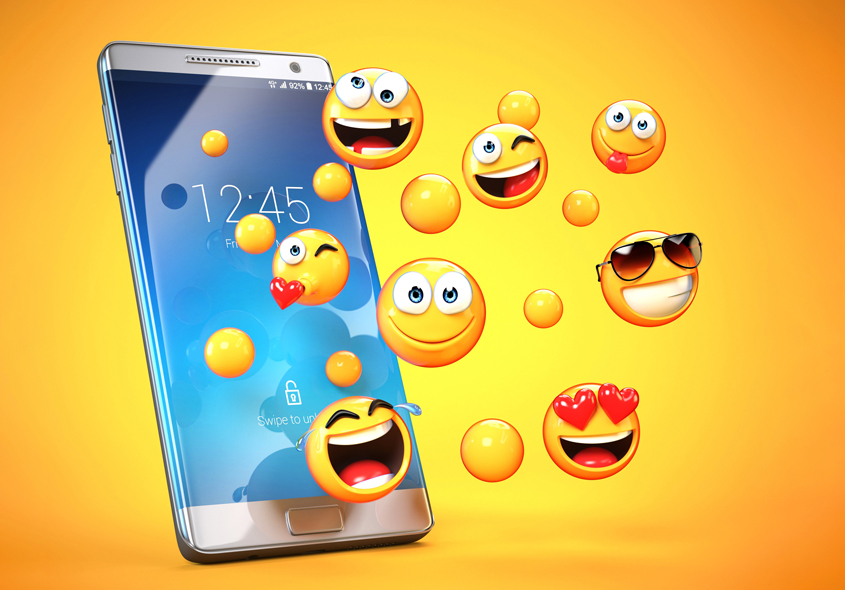
Imagine you're developing a new game, perhaps a social simulation or a casual puzzle, and you want to incorporate expressive 3D emojis. A common concern for developers is whether using these familiar symbols could infringe upon existing intellectual property. The good news, as many developers discover after a bit of research, is largely positive.
The Unicode Consortium is the organization responsible for standardizing text and emoji characters across various digital platforms. They define the concept and code point for each emoji – essentially, what it represents (e.g., U+1F600 for GRINNING FACE). However, Unicode itself does not provide specific graphical representations for these emojis. Instead, operating systems and software providers like Apple, Google, Microsoft, and Samsung design their own unique visual interpretations (or glyphs) for each Unicode emoji code point.
Here's the crucial takeaway:
- Unicode Emojis are Public Domain: All standard Unicode emoji concepts are in the public domain. This means you are generally free to use the idea of a grinning face, a clapping hands symbol, or a red heart for any purpose, including commercial game development, without needing to obtain specific consent from Unicode.
- Vendor-Specific Designs are Protected: While the underlying Unicode standard is open, the *specific artistic rendition* of an emoji by a company like Apple or Google is protected by copyright. You cannot simply copy and paste Apple's "Grinning Face with Big Eyes" emoji into your game without permission.
What does this mean for your 3D emojis? You are absolutely able to create your own original 3D models and artistic interpretations of standard emoji concepts for your game. In fact, this is encouraged! By designing your own unique style for these emojis, you not only avoid IP infringement but also infuse your game with a distinctive aesthetic. The potential problems arise only if your 3D emojis are direct, unmistakable copies of a specific, copyrighted vendor design. So, feel free to animate that winking face or crying laughter, but ensure its visual style is uniquely yours.
Beyond Emojis: Broader Intellectual Property in Game Design
While emojis present a specific IP challenge, they are just one facet of the vast landscape of intellectual property in game design. For any game developer, understanding IP is fundamental, whether you're building a new world from scratch or adapting a beloved franchise.
Broadly, IP in gaming primarily falls into a few categories:
- Copyright: Protects original works of authorship, including game code, art, music, story, characters, and unique gameplay mechanics. This is often the most relevant form of IP for developers creating original content.
- Trademark: Protects brand names, logos, slogans, and distinctive sounds that identify the source of goods or services. Your game title, studio logo, or a memorable character name could be trademarked.
- Patent: Protects inventions and novel processes. While less common in game design than copyright or trademark, certain unique game mechanics or underlying technologies could potentially be patented.
When creating a game, whether it's an indie darling or a AAA blockbuster, developers must navigate these IP waters carefully. Successful adaptations, for instance, often incorporate popular elements and distinctive aesthetics from the original media. This requires a deep understanding of the source material and, crucially, a solid legal agreement. Creating your own original game also necessitates protecting your own IP from potential infringers. For a deeper dive into making adaptations successful while respecting IP, explore our article: Game Design IP Essentials: Adapting Popular Media Successfully.
The core principle is always to create or license. If you haven't created it yourself and it's not in the public domain, you likely need permission.
Navigating Licensed IP: Insights from Industry Leaders
For many game studios, a significant part of their journey involves working with established intellectual property. This can be a double-edged sword: offering immense potential for success but also presenting considerable challenges. Mel Kirk, COO of Zen Studios, a company known for its acclaimed pinball games featuring licenses from Marvel, Star Wars, and The Walking Dead, offers a glimpse into this complex world.
Working with some of the biggest IP licenses on the market involves a meticulous process. On one hand, leveraging a known IP provides an immediate, built-in audience and a rich universe of lore, characters, and visual styles to draw from. This can significantly reduce marketing hurdles and accelerate player engagement. On the other hand, it introduces a layer of creative constraint and legal complexity.
Studios like Zen must adhere strictly to the licensor's guidelines, ensuring their adaptation faithfully represents the original brand while still bringing fresh gameplay. This involves constant communication, multiple approval stages, and a deep understanding of contractual obligations. The negotiation process for such licenses is intricate, often involving significant upfront costs and ongoing royalty payments. It's a testament to a studio's expertise and reputation that they can secure and successfully execute these partnerships, allowing them to survive and evolve over time in a competitive industry.
The experience of Zen Studios underscores the importance of a strategic approach to IP. It's not just about getting the license; it's about how you work with it, managing expectations, delivering quality, and maintaining strong relationships with IP holders. For more detailed insights on this topic, read our feature: Working with Big IP: Lessons from Zen Studios' Game Evolution.
Best Practices for Integrating IP and Emojis in Your Game
Navigating the IP landscape can seem daunting, but by following a few best practices, game developers can confidently create compelling experiences without legal headaches:
- For Unicode Emojis: Create Your Own Style. As established, the concept of a Unicode emoji is free to use. Invest in original art and animation for your 3D (or 2D) emojis. Make them unique to your game's aesthetic. Avoid directly copying the specific graphical renditions from major platform providers like Apple or Google.
- Understand the Types of IP. Familiarize yourself with copyright, trademark, and patent law as they pertain to game development. Knowing the basics helps you identify potential risks and protect your own creations.
- Prioritize Originality. When creating your own game, strive for unique characters, worlds, mechanics, and stories. The more original your work, the stronger your own intellectual property rights will be, and the less likely you are to inadvertently infringe on others.
- Conduct Thorough IP Research. Before finalizing a game title, character name, or even a unique mechanic, perform due diligence. Search for existing trademarks, copyrights, and patents to ensure you're not infringing on someone else's property.
- Secure Proper Licenses. If your game incorporates existing music, assets, or, crucially, an entire franchise, ensure you have a clear, comprehensive licensing agreement in place. Understand the scope, duration, and limitations of your license.
- Document Your Creative Process. Keep detailed records of your game's development, including design documents, asset creation timelines, and code repositories. This can be invaluable evidence if you ever need to prove ownership or defend against infringement claims.
- Seek Legal Counsel When in Doubt. Intellectual property in game design is a specialized field. If you're unsure about the legality of using a certain asset, adapting a concept, or protecting your own work, consult with an attorney specializing in IP law. Proactive legal advice is far cheaper than reactive litigation.
- Educate Your Team. Ensure everyone on your development team understands IP guidelines and best practices. A single oversight by an artist or programmer could lead to significant legal issues.
Conclusion
From the subtle expressiveness of a 3D emoji to the expansive universes of licensed blockbusters, intellectual property forms the bedrock of modern game development. While the broad concepts of Unicode emojis are free for creative interpretation, specific artistic renditions and established franchises demand careful respect for IP rights. By understanding these nuances, prioritizing originality, and meticulously managing licensed content, developers can safeguard their projects, foster innovation, and successfully bring their creative visions to players worldwide. Always remember: in the world of game design, informed IP management is not just a safety net; it's a launchpad for lasting success.